Emergency Lights Maintenance: Tips for Regular Inspection
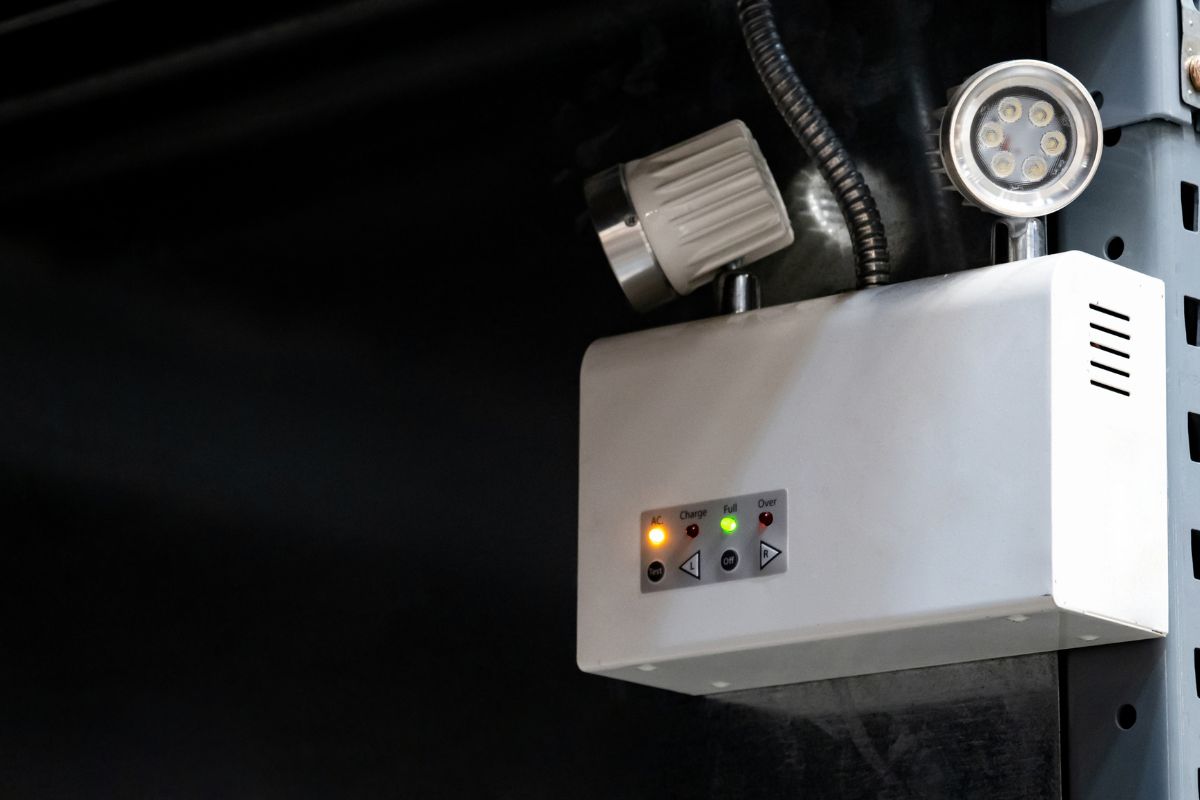
Emergency lighting is the onlyfire protection system in your building that does nothing at all until theworst possible moment. A sprinkler head is visible. An alarm panel beeps whensomething is wrong. A set of emergency lights sits on the wall for years looking perfectly fine, and whether it works is a question nobody answers untilthe power actually fails.
That is why the code treats itthe way it does, and why the testing schedule is the one most commonly skippedin Metro Vancouver buildings.
What the BC Fire Code Actually Requires
Section 6.5 of the BC Fire Codecovers emergency power systems and unit equipment for emergency lighting. Forthe self-contained battery units found in most commercial and multi-residentialbuildings, it sets out three separate obligations that often get collapsed intoone in people’s minds.
First, the units have to beinspected at intervals not greater than one month, confirming that pilot lightsare working and that nothing is damaged or obstructed. Second, they have to betested monthly to confirm they will actually come on when the primary powersupply fails. Third, at intervals not greater than twelve months, they have tobe tested to confirm the unit will provide emergency lighting for its requiredduration.
That duration is set byoccupancy rather than by preference. Most commercial buildings need thirtyminutes. Certain occupancies, including high buildings and some carefacilities, require considerably longer, and two hours is not unusual. Worthconfirming what applies to your building rather than assuming, because theannual test is only meaningful if it runs for the right length of time.
Why the Monthly Test Is the One That Gets Skipped
Nobody forgets the annualinspection, because a contractor books it. The monthly check is internal, takesa few minutes, and has no one chasing it, which is exactly why it disappears.
It also feels pointless, becausethe lights almost always come on. That is the trap. A unit that illuminates forthirty seconds is proving that the lamp works and the transfer circuit works.It is proving nothing about whether the battery can hold up for thirty minutes,and a battery degrades long before it stops working entirely.
The monthly test is still worthdoing properly, because it catches the failures that happen between annualvisits. A tripped breaker on the circuit feeding a unit, a head knocked out ofalignment by a ladder, a pilot light that has been dark for five weeks. None ofthose wait for your annual service date.
How to Run the Monthly Check Properly
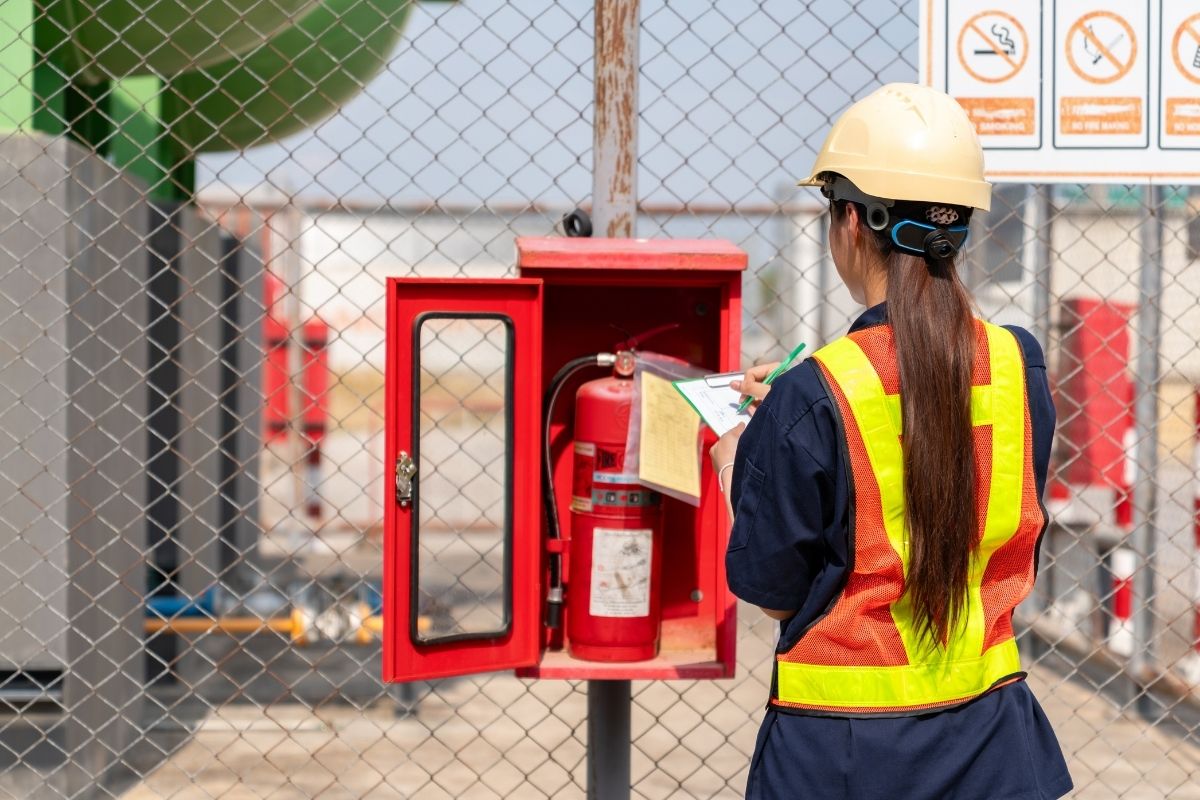
A designated staff member canhandle this, and it goes faster with a route and a clipboard than it does frommemory. On each unit:
• Confirm the pilot or AC-on light is illuminated, whichtells you the unit is receiving power and charging
• Press and hold the test button for at least thirtyseconds and watch the lamps for the full duration, not just the first second
• Check that both heads strike and stay lit, since onedead head on a two-head unit is a common and easily missed fault
• Look at the housing and lenses for cracking,discolouration, or heat damage
• Confirm nothing has been stacked, hung, or built infront of the unit since last month
• Note any unit that is slow to strike, dim, or flickers,because those are early battery symptoms
• Write down the date, the unit, the result, and anythingyou fixed
That last item matters more thanpeople expect. An inspector asking about your emergency lighting is going toask to see records, and a log with gaps in it is treated as a system that wasnot being tested.
The Annual Load Test Is a Different Job Entirely
The annual test is not a longerversion of the monthly one. It is a full discharge under load, and it measuresthings the test button cannot.
A proper annual test puts theunit on battery for its full required duration and confirms the lamps are stilldelivering adequate illumination at the end, not just at the start. It alsoinvolves checking charging voltage and load current, inspecting the battery forswelling, leakage and terminal corrosion, and confirming the unit rechargescorrectly afterward. That combination is why emergency light inspections are a technicianjob rather than a staff job.
It is also the test that takesunits out of service for a period, which means it needs to be scheduled ratherthan squeezed in. A building with batteries that fail partway through thedischarge is a building that needs replacements ordered, and that is muchbetter discovered in a planned visit than during an inspection.
Batteries Are What Actually Fail
In the overwhelming majority ofemergency lighting failures, the battery is the culprit. The sealed lead-acidbatteries in most unit equipment have a usable service life typically in therange of three to five years, and they decline gradually rather than suddenly.
Heat is the main accelerant. Aunit mounted high on a wall in a mechanical room, a parkade with poorventilation, or anywhere near a heat source will see shorter battery life thanthe same unit in a conditioned corridor. Deep discharges shorten it further,which is one more reason to confirm the unit has fully recharged after anyextended power outage rather than assuming it did.
The practical takeaway is thatbatteries are a planned replacement item, not a fix-on-failure item. Trackinginstall dates by unit lets you budget for replacement in advance rather thandiscovering a quarter of your units will not hold a load during the annualtest.
Coverage Changes When the Building Changes
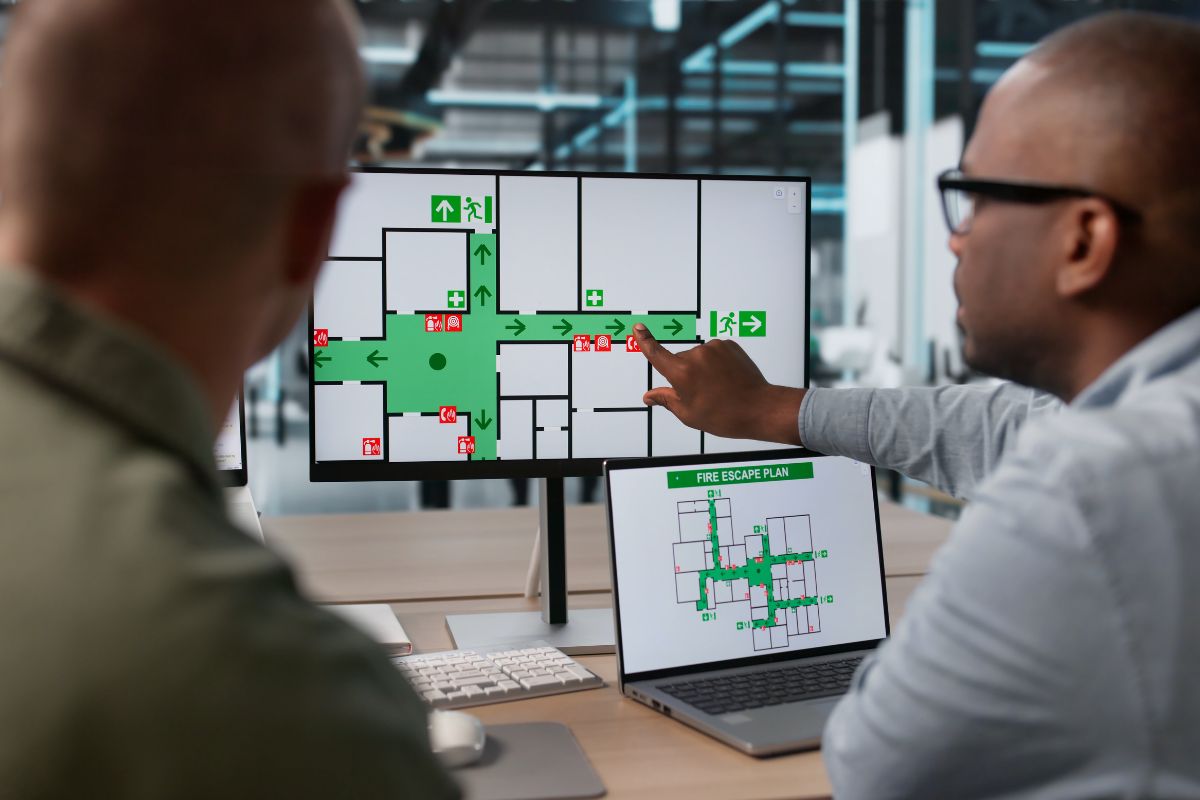
Emergency lighting is designedaround the egress path that existed when the building was built or lastaltered. Buildings change constantly, and the lighting rarely gets revisited.
New demountable walls in anoffice create corners the original layout never anticipated. A tenantimprovement moves a corridor. Shelving goes up in a warehouse and casts ashadow across an exit route. Someone redirects a remote head to light a workarea because it was convenient. Each of these leaves a dark section on a paththat people are expected to follow in smoke, at night, with the power out.
This is worth checking duringany renovation rather than after. If your building is undergoing a tenantimprovement, emergency lighting coverage belongs on the same list as the alarmdevices and the exit signage, and it is a question your fire inspection provider can answer before thework is finished rather than after an inspector raises it.
What We Find Most Often
Across the buildings we servicein Metro Vancouver, the same handful of issues come up repeatedly:
• Batteries past end of life that pass a thirty-secondtest and fail well short of the required duration
• One head out of two not functioning, with nobody havingnoticed
• Heads aimed at a wall or ceiling rather than along theegress path
• Units on a circuit that has been switched off orbreakered during other work
• Obstructions placed in front of units after a move or areorganization
• Corroded battery terminals, particularly in parkadesand damp mechanical spaces
• Missing or incomplete logs, which turns a minor findinginto a compliance problem
Keep the Records Where Someone Can Find Them
Testing you cannot demonstrateis testing you did not do, as far as an inspection is concerned. Keep themonthly log with your fire safety plan rather than in someone’s desk drawer,record the technician reports from annual testing alongside it, and note whatwas repaired and when.
The same logic applies acrossevery system in the building, which is why fire alarm inspections, extinguisher servicingand emergency lighting records are best held together rather than scatteredacross three vendors and two filing systems.
Talk to Radius
Radius Fire Protection servicesemergency lighting across Metro Vancouver from our Richmond facility, alongsidefire alarms, sprinklers, extinguishers and 24-hour monitoring from our ownCommand Centre. We are the only fire protection company in British Columbiaauthorized to train fire technicians, with a training program approved by ASTTBC.
If you are not certain when your emergency lighting was last load tested, that is reason enough to find out.Call (604) 232-3473 or contact us to book an inspection.