Installations
Radius Fire installs Electrical, Mechanical, and Fire Suppression Systems. Don't Delay. Contact Radius today.

We install equipment
And instill confidence
Fire protection begins with sound fire equipment installation. That's where our highly trained and skilled installation team can help. Our team can install, test, and maintain your electrical, mechanical, and fire suppression equipment to ensure it complies with all Fire Code and regulatory requirements. So you can feel confident your equipment will work correctly when you need it most.
Installations

Mechanical Installations
Radius Fire licensed and certified sprinkler fitters, operate under strict quality control and safety guidelines.

Electrical Installations
We ensure compliance with complex regulations governing emergency lighting and fire alarms, guaranteeing correct installations.

Fire Suppression Installations
We offer customized scheduling for installations/upgrades, aligning with your business schedule to minimize disruptions.
CUSTOMER REVIEWS
Our clients tell us we're "Fire"
Hot off the presses!
Best Practices for Fire Extinguisher Maintenance and Service
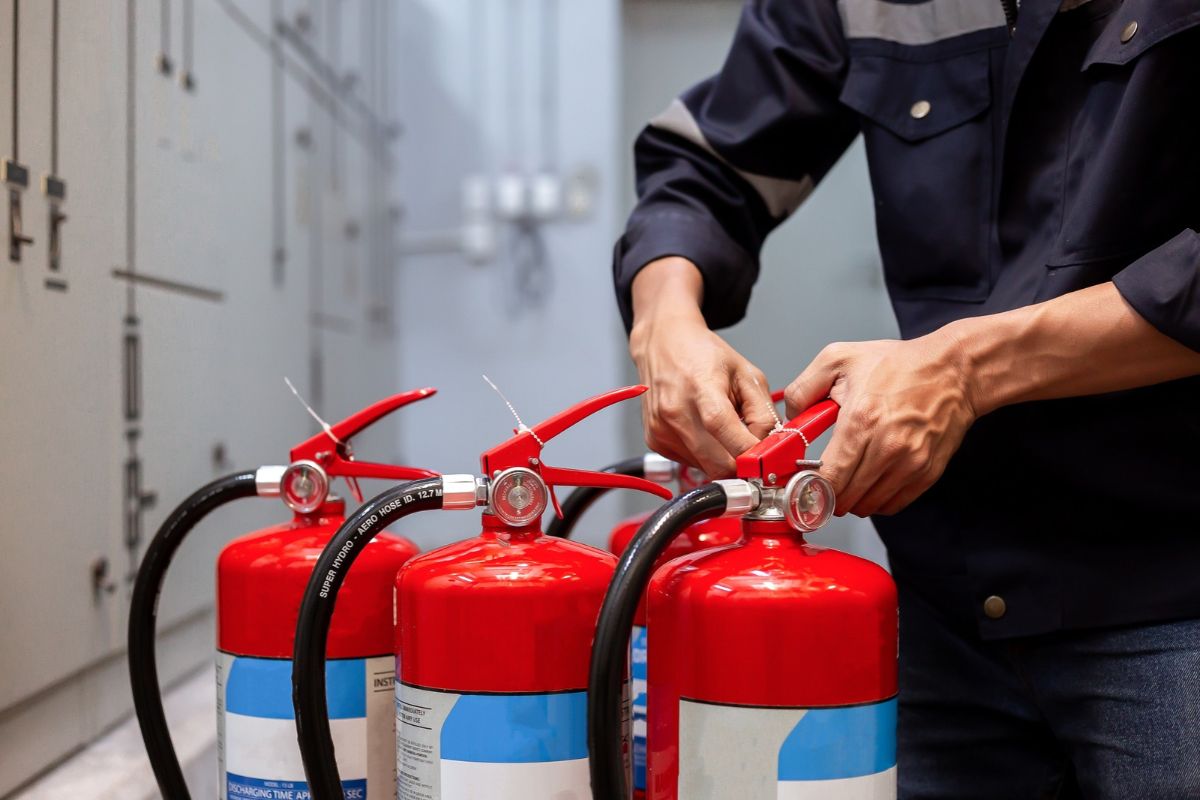
A portable fire extinguisher is the only piece of fire protection equipment in most buildings that an ordinary occupant is expected to operate, usually within the first minute of a fire, usually without having touched one before.It is also the piece of equipment most likely to have been quietly neglected. Extinguishers get moved, blocked, borrowed, knocked, slowly depressurised and painted around. Unlike a sprinkler head or an alarm panel, nothing monitors them, so a unit that will not discharge looks exactly like one that will.The maintenance requirements exist to close that gap, and they are more specific than most building owners realise.
Emergency Lights Maintenance: Tips for Regular Inspection
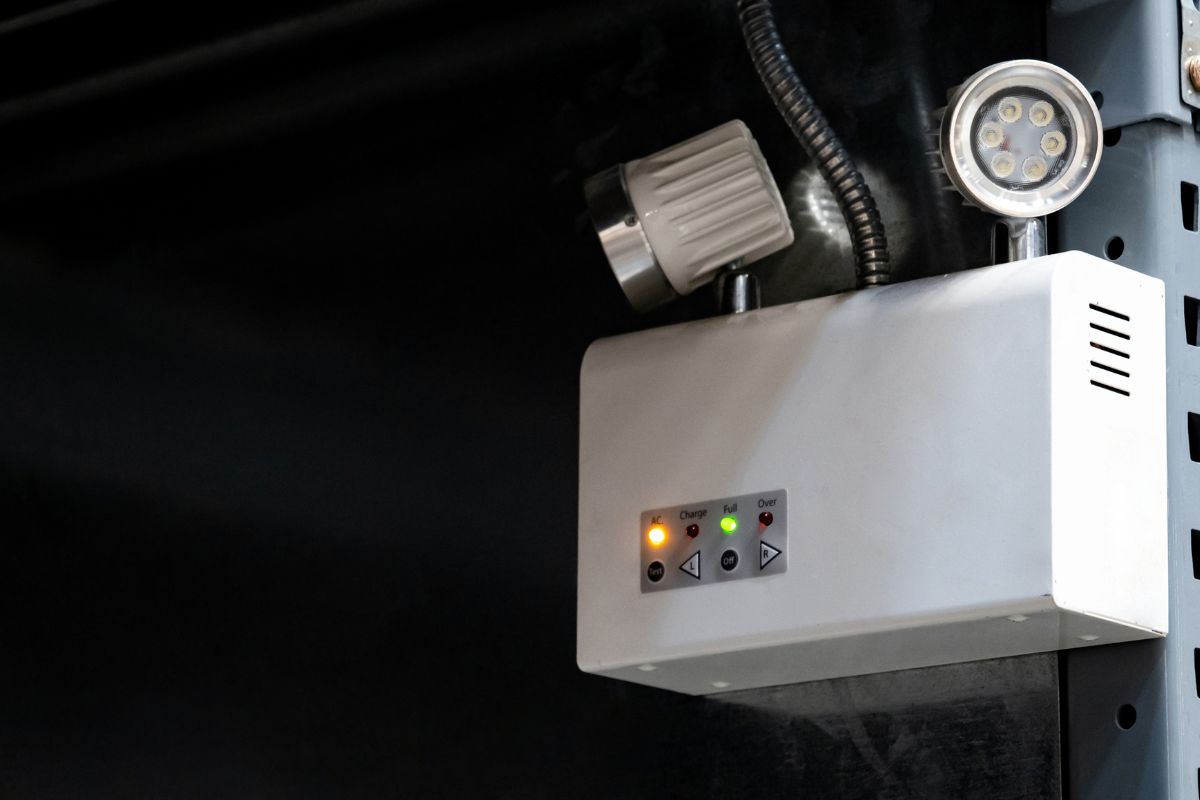
Emergency lighting is the onlyfire protection system in your building that does nothing at all until theworst possible moment. A sprinkler head is visible. An alarm panel beeps whensomething is wrong. A set of emergency lights sits on the wall for years looking perfectly fine, and whether it works is a question nobody answers untilthe power actually fails.That is why the code treats itthe way it does, and why the testing schedule is the one most commonly skippedin Metro Vancouver buildings.