Fire Alarm Testing: Why It’s Crucial for Building Safety

When the unexpected happens, the margin between a contained incident and a catastrophic loss is measured in seconds. In commercial and residential buildings, a fire alarm system acts as the central nervous system for life safety. Yet, many property owners treat these critical networks as "set it and forget it" installations. The reality is that the mere presence of an alarm panel on the wall guarantees nothing if the internal components are compromised by age, neglect, or environmental factors.
The National Fire Protection Association (NFPA) reports a sobering statistic that nearly three out of five home fire deaths are caused by fires in properties with either no smoke alarms or alarms that failed to operate. In the commercial sector, the stakes are amplified by building size, occupancy loads, and complex infrastructure. Fire alarm testing is not just a regulatory hurdle to clear once a year. It is a proactive, life-saving strategy that demands rigorous attention and expert execution.
Understanding the Mechanics of System Degradation
Fire alarm systems are sophisticated networks of sensors, wiring, communicators, and control panels. Like any electronic system, they are susceptible to a phenomenon known as the "bathtub curve" of failure. This means they are most likely to fail immediately after installation due to manufacturing defects or wiring errors, and then again as they reach the end of their operational lifespan due to component wear and tear.
Between these two extremes, environmental factors constantly assault the system. Dust accumulation in smoke detector chambers can cause false alarms or prevent the sensor from detecting actual smoke. Power surges can fry delicate circuit boards. Backup batteries, which are essential during power outages, lose their ability to hold a charge over time. Regular testing identifies these silent failures before they become tragic liabilities.
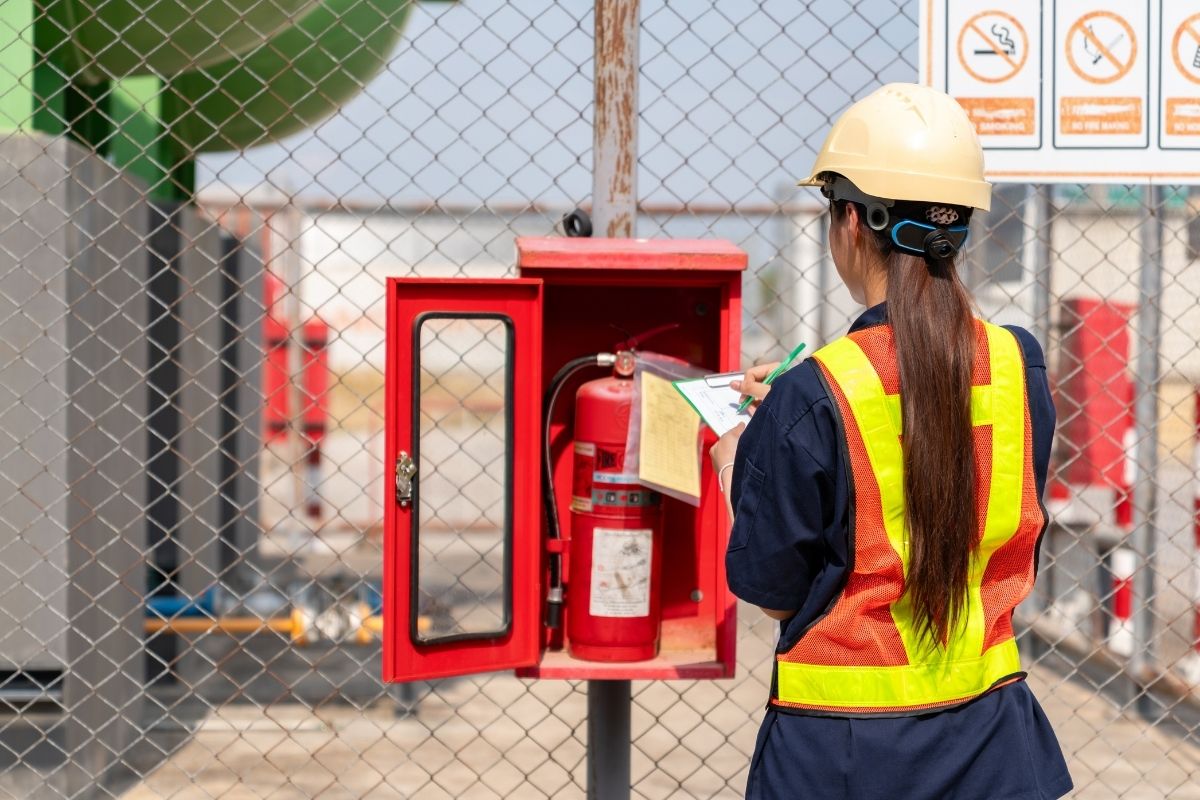
During a comprehensive inspection, technicians look for specific signs of degradation:
- Voltage drops across the communication circuits that indicate failing wires or poor connections.
- Dust or debris buildup inside photoelectric and ionization smoke detectors.
- Corrosion on the terminals of backup batteries located inside the main control panel.
- Faulty relays that prevent the alarm from communicating with elevators or HVAC systems.
By identifying and addressing these issues early, property managers prevent the silent degradation that renders a system useless when it is needed most.
The Hidden Costs of False Alarms
A system that triggers when there is no fire is almost as dangerous as a system that stays silent when there is one. False alarms breed complacency. If building occupants become accustomed to sirens sounding without cause, they will inevitably begin to ignore them. This "cry wolf" syndrome delays evacuation times and puts lives directly at risk.
Furthermore, false alarms place a massive strain on municipal resources. When fire departments respond to non-emergencies, those crews and trucks are unavailable for real crises. In response, many cities across British Columbia have implemented strict financial penalties for excessive false alarms. For example, municipalities often issue fines ranging from hundreds to thousands of dollars for repeated unwarranted dispatches.
Routine fire inspections are the most effective way to eliminate these costly disruptions. Technicians can adjust sensor sensitivity, clean dirty detector heads, and identify failing components that trigger erratic signals. A well-maintained system provides certainty. When the alarm sounds, occupants know it is time to move.
Navigating Compliance and Liability Risks
The regulatory landscape surrounding fire safety is complex and unforgiving. The BC Fire Code, the BC Building Code, and various NFPA standards dictate precisely how and when systems must be tested. Failing to adhere to these schedules is not just an oversight. It is a violation of the law.
If a fire occurs in a building with an outdated or untested alarm system, the liability falls squarely on the property owner or manager. Insurance companies routinely investigate maintenance records following a fire claim. If they discover that the required annual testing was skipped, they can legally deny coverage, leaving the owner financially responsible for the entire loss.
To stay compliant, building owners must ensure specific testing protocols are followed:
- Annual full-system tests conducted by ASTTBC-certified technicians.
- Sensitivity testing of smoke detectors to ensure they trigger at the correct smoke density levels.
- Verification of all audio and visual notification appliances to ensure they meet decibel and candela requirements.
- Testing of the communication link to the central monitoring station.
Maintaining a detailed logbook of these tests proves due diligence and protects the property owner from devastating legal and financial repercussions.
The Crucial Link to Central Station Monitoring
An alarm system that rings loudly in an empty building is a failed system. The true value of a fire alarm is its ability to summon help immediately. This requires a flawless connection to a professional monitoring center. Testing this communication link is a vital component of the annual inspection process.
When an alarm is triggered, the control panel must instantly transmit a signal over dedicated phone lines, cellular networks, or IP connections. If those communication pathways are disrupted, the fire department will not be notified. A 2021 benchmark report by BuildingReports analyzed over 8 million inspections and found that control equipment and monitoring connections require constant vigilance to maintain a low failure rate.
Partnering with a provider that operates a local, ULC-certified fire monitoring command center ensures that signals are received and acted upon without delay. During testing, technicians verify that the specific signals—whether for a general alarm, a supervisory issue, or a system trouble fault—are correctly interpreted by the monitoring station.
Integrating Alarm Testing with Overall Safety Planning
Fire alarm testing does not exist in a vacuum. It is one piece of a broader, interconnected life safety strategy. When an alarm triggers, it must often initiate a cascade of other automated actions. Magnetic door holders must release to compartmentalize smoke. Elevators must recall to the ground floor to prevent occupants from becoming trapped. HVAC systems must shut down or alter airflow to avoid feeding the fire with fresh oxygen.
Testing these integrated functions requires a deep understanding of building mechanics and fire dynamics. This is why it is highly beneficial to use a single, comprehensive provider for all fire protection needs. When the team testing the alarm is the same team handling the fire safety planning and sprinkler maintenance, nothing falls through the cracks.
A holistic approach to testing includes:
- Verifying the interface between the fire alarm panel and the sprinkler waterflow switches.
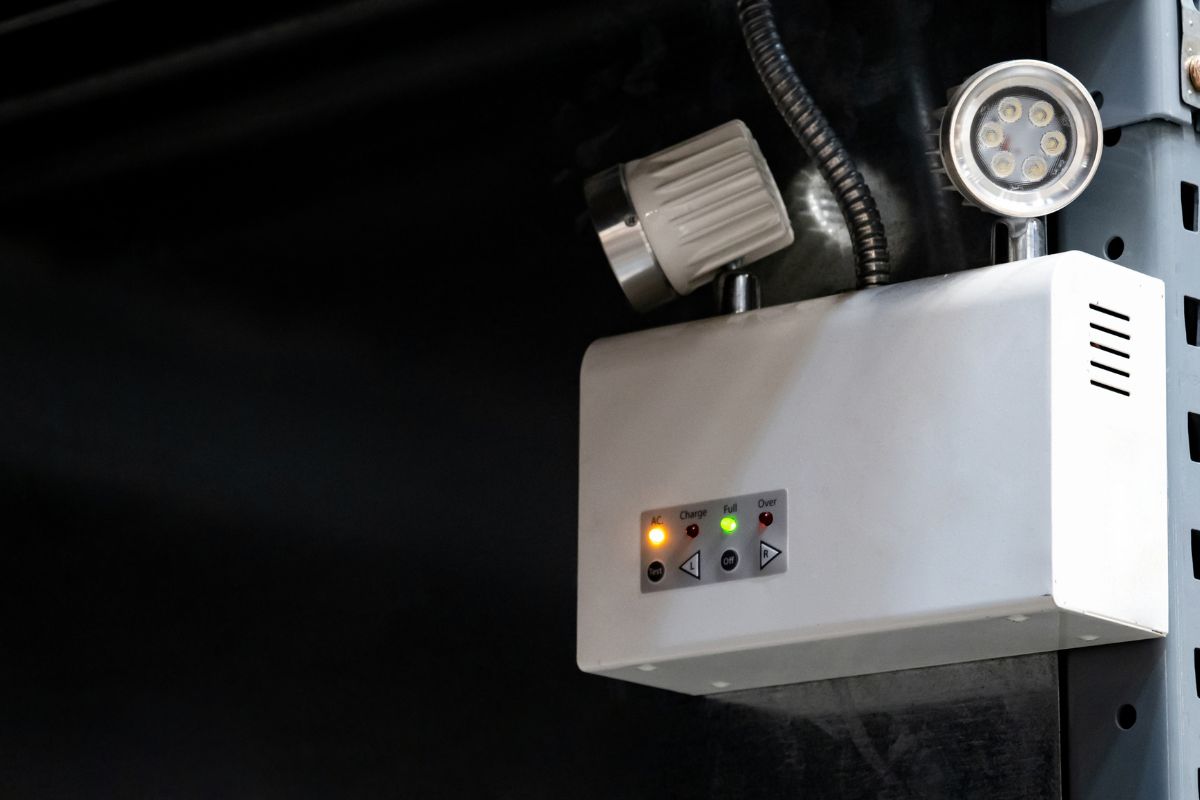
- Ensuring that emergency lighting activates seamlessly when the main power is cut during an alarm scenario.
- Confirming that the building's specific evacuation routes and procedures align with the alarm zoning.
This level of integration ensures that the building reacts as a cohesive unit during an emergency, providing the maximum possible protection for its occupants.
Securing Your Building with Proven Expertise
The safety of your tenants, employees, and property hinges on the reliability of your fire alarm system. Assuming that a system is functional simply because the panel has a green light is a dangerous gamble. True security comes from rigorous, professional testing that uncovers hidden faults and guarantees compliance with the strictest codes.
At Radius Fire, we don't just check boxes. Our ASTTBC-certified technicians bring decades of experience and a deep commitment to life safety to every inspection. We understand the unique challenges of the Vancouver landscape and the specific requirements of the BC Fire Code. By combining comprehensive testing with our own ULC-certified Command Centre, we provide an unbroken chain of protection from detection to dispatch.
Don't wait for an emergency to find out if your system works. Take control of your building's safety today by scheduling a thorough fire alarm inspection with the experts who put your protection first.