


Exploring The Options and Advantages of Fire Suppression Systems
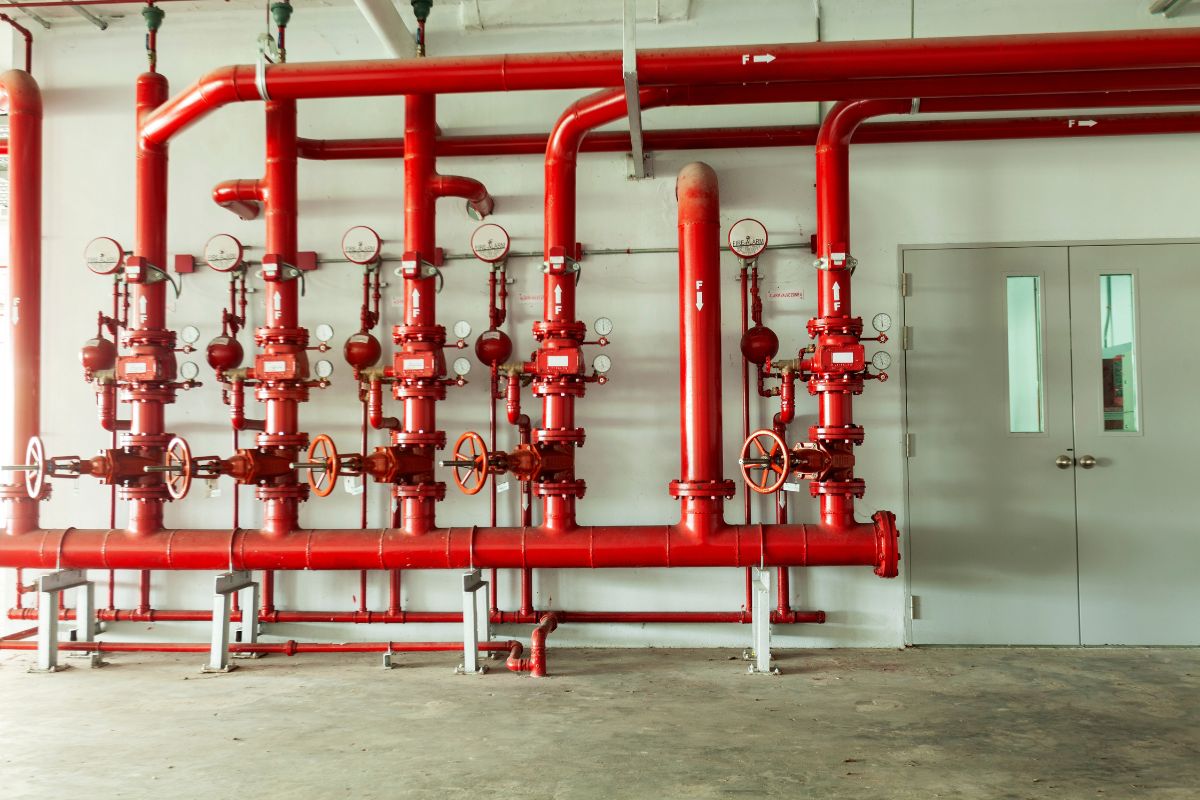
Fire is a shape-shifter. In a fireplace, it is comfort. In a commercial kitchen or a server room, it is a catastrophic threat that moves faster than the human ability to react. While most people are familiar with the standard red fire extinguisher hanging on the wall, modern fire safety has evolved into something much more sophisticated fire suppression systems.
Unlike a simple alarm that tells you to run, a suppression system is designed to act. It detects, contains, and often extinguishes a fire before the fire department even receives the call.
How Suppression Differs from Detection
It is a common misconception that smoke detectors and fire suppression systems are the same thing. They are actually two parts of a vital team. A smoke detector identifies the presence of smoke and sounds an alert.
A fire suppression system is the first responder. These systems are engineered to extinguish or control fires without human intervention. They use a variety of "agents" such as water, chemicals, or gases to extinguish the fire.
To exist, a fire needs three things:
- Heat
- Fuel
- Oxygen
By removing just one of these elements, the suppression system kills the fire entirely. This happens in seconds, often limiting damage to a single room or even a single piece of equipment.
The Advantages of Residential Fire Suppression Systems
For many homeowners, fire safety starts and ends with a battery-operated smoke alarm. However, residential fire suppression systems, specifically home fire sprinklers, are becoming the gold standard for modern builds.
In a home fire, time is the only currency that matters. Modern home furnishings are often made of synthetic materials that burn hotter and faster than the wood and cotton used decades ago. This means a fire can become "flashover" (where everything in the room ignites) in under three minutes.
Residential sprinkler systems are designed to react while the fire is still small. In these systems, only the sprinkler head closest to the heat activates. You won't see the "Hollywood Effect" where every sprinkler in the house goes off at once. Usually, one head is enough to control the flames.
The advantages of a fire suppresion system for homeowners include:
- Life Safety: The primary goal is to keep escape routes clear of heat and smoke.
- Property Preservation: A sprinkler uses significantly less water than a fire hose. By stopping the fire early, you avoid the massive water damage caused by high-pressure fire department equipment.
- Insurance Incentives: Many providers offer substantial discounts on homeowners' insurance premiums for properties with active suppression systems.
Protecting Commercial Assets With Gold Standard Equipment
In a business environment, the stakes involve more than just the building structure. You are protecting employees, expensive inventory, and irreplaceable data. A "one size fits all" approach doesn't work here because water can sometimes cause as much damage as the fire itself.
Imagine a room full of servers or rare historical documents. If a fire starts, water would ruin everything the fire didn't touch. This is where clean agent systems come in.
These systems use gaseous agents that are electrically non-conductive and leave no residue. They work by removing the heat or disrupting the chemical reaction of the fire at a molecular level. Once the fire is out, the gas simply dissipates, and you can get back to work almost immediately.
Commercial kitchens are high-risk zones due to open flames and flammable grease. Standard water sprinklers can actually spread a grease fire. Kitchen suppression systems use wet chemical agents that react with the hot grease to create a soapy foam. This process, called saponification, cuts off the oxygen supply and cools the surface simultaneously.
The Science of Choice: Which System Fits Your Needs?
Choosing the right system requires an audit of what you are actually trying to protect. Not all fires are created equal. They are categorized by their fuel source, and your suppression system must match that category. Here is a quick breakdown:
- Class A: Ordinary combustibles like wood and paper. (Water or foam is best).
- Class B: Flammable liquids like gasoline or oil. (CO2 or dry chemical is best).
- Class C: Electrical fires. (Clean agents or CO2 are required).
- Class K: Cooking oils and fats. (Wet chemical systems).
A rising star in both residential and commercial sectors is the water mist system. These systems discharge water at very high pressure through specialized nozzles, creating a fine mist. This mist absorbs heat more efficiently than large droplets and creates a "blanket" of steam that starves the fire of oxygen. It uses up to 90 percent less water than traditional sprinklers, making it an excellent choice for libraries or luxury homes.
Why A Fire Suppression System Is Worth the Investment
The initial cost of installing a fire suppression system can feel daunting. However, when viewed through the lens of long-term risk management, the advantages are undeniable.
- Business Continuity: For a business, a fire isn't just a physical loss; it is a halt in operations. Statistics show that many businesses that suffer a major fire never reopen. A suppression system ensures that a small mishap doesn't turn into a permanent closure.
- Enhanced Property Value: Buildings equipped with modern fire suppression are more attractive to buyers and tenants. It signals that the property is well-maintained and built to the highest safety standards.
- Regulatory Compliance: In many jurisdictions, fire suppression systems are no longer optional for certain types of commercial buildings or multi-family residences. Staying ahead of the curve ensures you avoid heavy fines and legal liabilities.
We Suggest Future-Proofing Your Property Today
As we move toward "smarter" buildings, fire suppression is becoming more integrated. Modern systems can now be linked to building management software, sending real-time alerts to your smartphone the moment a system is triggered. This allows for faster coordination with emergency services and internal security teams.
The evolution of fire safety has moved from reactive to proactive. We no longer have to wait for the smoke to clear to see the damage. With the right suppression system in place, the fire is fought before you even realize there was a threat.
That means the best time to think about fire suppression is before you see a flame. By choosing the right system and the right technology now, you ensure that your property remains a safe space for years to come.
Creating an Effective Fire Safety Plan Specific to Your Business


