A Christmas Tree Fire Safety Guide

Christmas tree safety is a big topic, but we’re going to give you a very brief overview and safety guide in today’s blog in preparation for the holidays. There are three main types of Christmas trees, and we will address them one at a time: artificial trees, live and cut trees, and live potted trees.
Artificial trees
Artificial trees are usually—but not always--less of a fire hazard than live cut trees. Having an artificial tree is no guarantee that the tree cannot catch on fire. Read the label accompanying your artificial tree and contact the manufacturer if you have questions.
The same safety rules apply to all Christmas trees: do not leave lights on when you are away or asleep, run LED lights, if possible, because they run cooler, and never place any Christmas near a source of combustion like a wood-burning fireplace or lit candles.
Cut trees
These trees are the most dangerous and typically the most flammable, especially because they are often not watered as often as they should be. So, our advice is if you want a cut tree, just be vigilant about watering it and in case of fire, get out and call for help.
If a cut Christmas tree catches on fire, it will explode like a bomb went off, according to John Quevado, retired Battalion Commander of the NYC Fire Department. Do not try to fight a fire like that yourself. You will not have the tools or the skills.
Potted trees
Potted Christmas trees are slightly safer than cut trees. Just make sure to water the tree generously and regularly and follow the same safety rules as for the other types of trees.
We wish everyone a safe and happy holiday season.
If you need some help with preparing a fire safety plan for your business, call the experts at Van Fire in Richmond, BC, to help you at (604) 706-0306. This is our business and our area of expertise. You absolutely need a fire prevention strategy and inspection of your fire precautions on a regular basis.
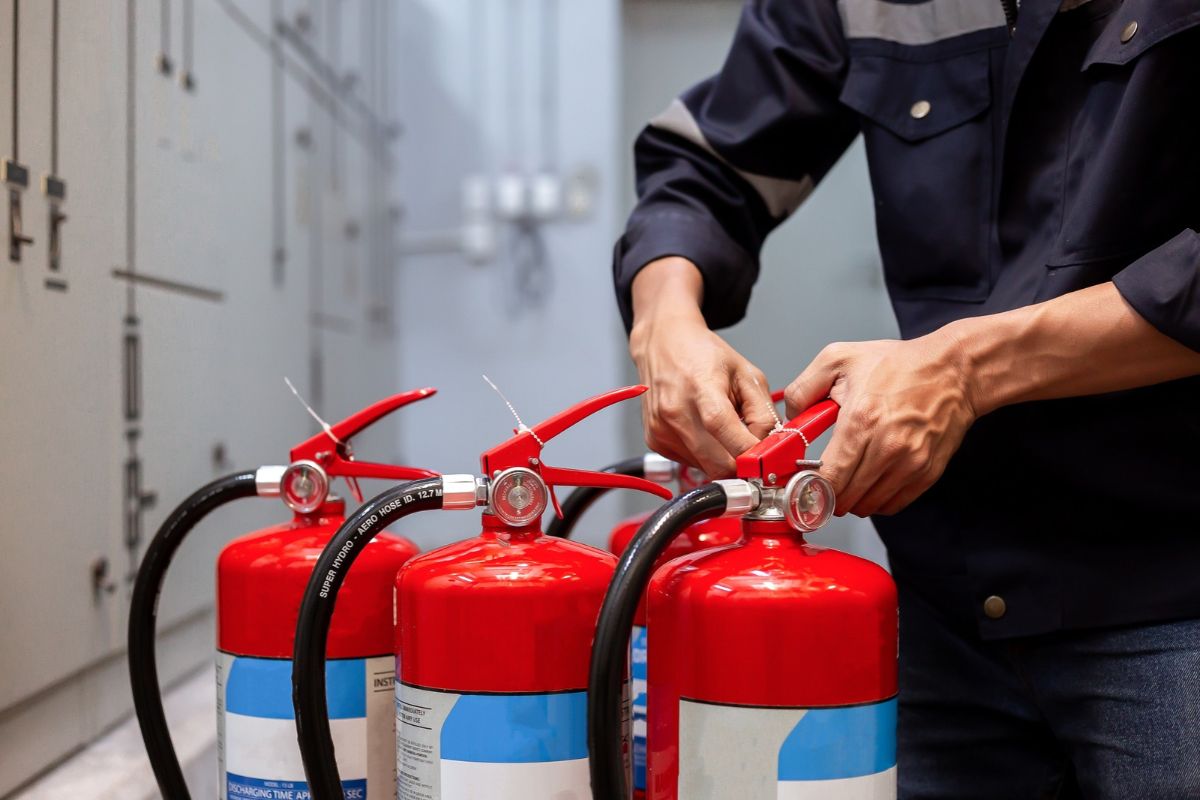
Best Practices for Fire Extinguisher Maintenance and Service