Educating the Public on Fire Prevention

Every year in Canada, there are thousands of fires, thousands of fire-related injuries, and hundreds of deaths. Most of these fires are residential, and the most at-risk populations for injury and death are the elderly, children, and indigenous people. In general, there is the mistaken assumption that in case of fire, you have plenty of time to escape. In fact, you have very little time, perhaps a minute or two to avoid injury. So, in today’s blog article, we would like to talk about some simple concepts that would go a long way to educating the public about fire prevention.
Business
Businesses need fire prevention plans and strategies to not just prevent fire but also how to react in case of fire. They need to educate their employees on what to do in case of fire, how to exit the building, and who will be in charge. Businesses can seek the help of fire professionals to create such a written plan or they can write it themselves. The most important point here is that fire is a real risk and should be taken seriously.
Residential
We know from statistics that most fires occur at home. Those at home need to know how to exit the home in a hurry and should teach children how to do so. It is a good idea to have fire drills at home just like we have them at offices. Children should be taught to exit the home first and then call for help or go to a neighbor. Never waste time calling for help before exiting the structure.
Simple Lessons
There are a few simple home strategies that would prevent a lot of fires.
- Always clean the lint from the dryer filter before every use.
- Never leave something cooking on the stove unattended.
- Have furnaces and wood-burning fireplaces cleaned and serviced once a year.
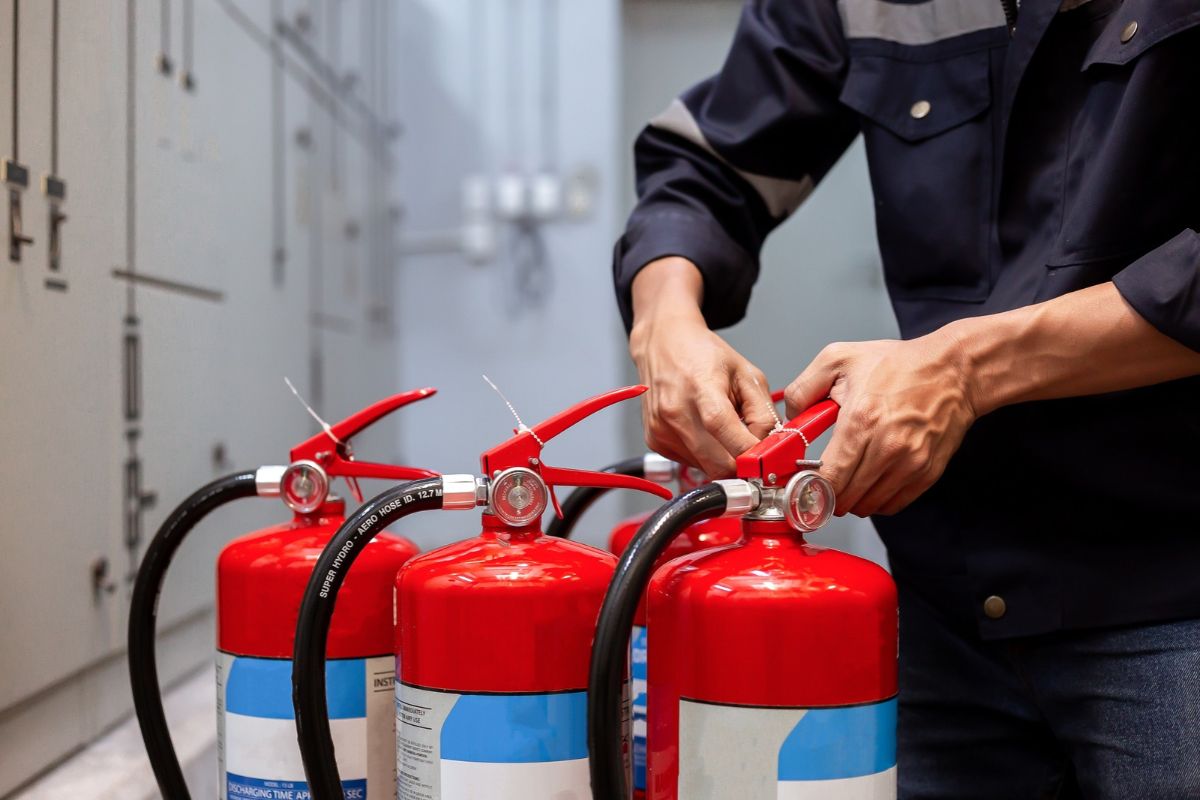
- Have a fire extinguisher in the kitchen and know how to use it.
- Never daisy-chain several extension cords to power anything.
- Be aware that Christmas trees are a terrible fire hazard.
And the most important strategy for the home and for the office is to have smoke detectors, and test them regularly.
If individuals would heed the advice above, and teach the principles of fire prevention to their children, we could cut way down on fires and fire-related injuries and deaths nationwide.
Best Practices for Fire Extinguisher Maintenance and Service