How to Plan, Execute, and Document Annual Fire Drills

THE REASON FOR ANNUAL FIRE DRILLS
Practicing and performing fire drills can help keep people safe. Your drills should test your planning, execution, and documentation process.
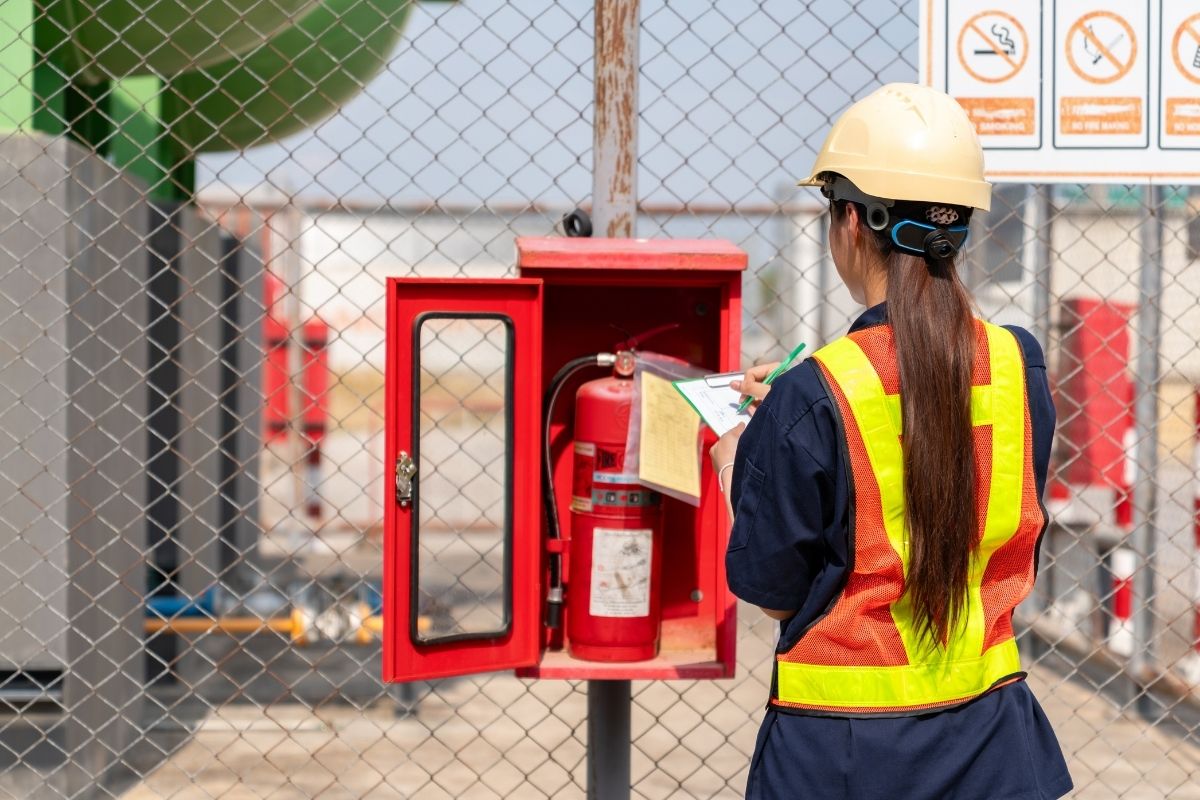
Make sure to regularily look at your fire safety signs, fire alarms, and fire extinguishers. These are essential things that protect everyone who works within a building.
Planning annual fire drills
By pllanning annual fire drills, you give your staff the chance to know the team protocols, building features, hazards, exits, emergency contacts, assembly points, and procedures. Being familiar with this can make evacuations much more effective.
Before planning a fire drill should make sure to check in with your fire department and the community members involved in your building. Communication is important here and this arrangement serves as an analysis of crucial data, contacts, and procedures related to your emergency action plan. You need to identify which part or person in the office of emergency services you need to reach for the fire drill.
Executing annual fire drills
A fire drill should be done with competence and professionalism. If the fire alarm is connected to the central monitoring station, it is useful to ensure that all workers or members of the building are informed earlier before the drill is done.
If your structure has numerous exit points you may want to block one or more routes during the execution of annual fire drill. All the workers or members of the staff should leave during the fire drill to make the activity accurate. Fire drills are not a joke, and employees should not be allowed to ignore them.
Documenting annual fire drills
All documents of annual fire drills should be recorded for all required emergency evacuation drills and should include the following:
--The information on the person carrying out the drill
--Time and date of the drill
--The notification method
--Workers on duty and participants
--The number of individuals evacuated
--Challenges encountered
--Weather conditions present when evacuating
--The time required to complete the drilling process
Fire drills may not be a lot of fun, but they save lives. If you need help planning or executing your company fire drill, we can help you. This is our business.