What Is a Fire Pump, and How Often Do They Need Inspections?

A fire pump is a pump that increases water pressure in a fire protection system, typically in a high-rise building or large warehouse. The source water might be in a tank or is might be in an open reservoir. The point of the fire pump is to adequately supply water and water pressure if needed during an emergency fire.
There are many different types of fire pumps that are used in different types and sizes of fire protection systems including the following:
- Positive Displacement Pumps
- Horizontal Split-Case Pumps
- Centrifugal
- Vertical Turbine Pumps
- In-Line Pumps
- End Suction Pumps
- Multistage Multiport Pumps
When fire pumps need to be inspected is determined by standards in the BC Fire Code, Vancouver Bylaws, NFPA 20 and NFPA 25. Basically, the fire pump needs a complete inspection annually at full capacity. However, electric motors and internal combustion engine pumps need to be tested monthly. In addition, several other parts of the system also require monthly inspection.
Pump room temperature has to be checked weekly, as well as the level of the water reservoir. Electric pumps also have to be turned on for 10 minutes per week. Diesel pumps require being turned on for 30 minutes per week to check that they are in proper working order.
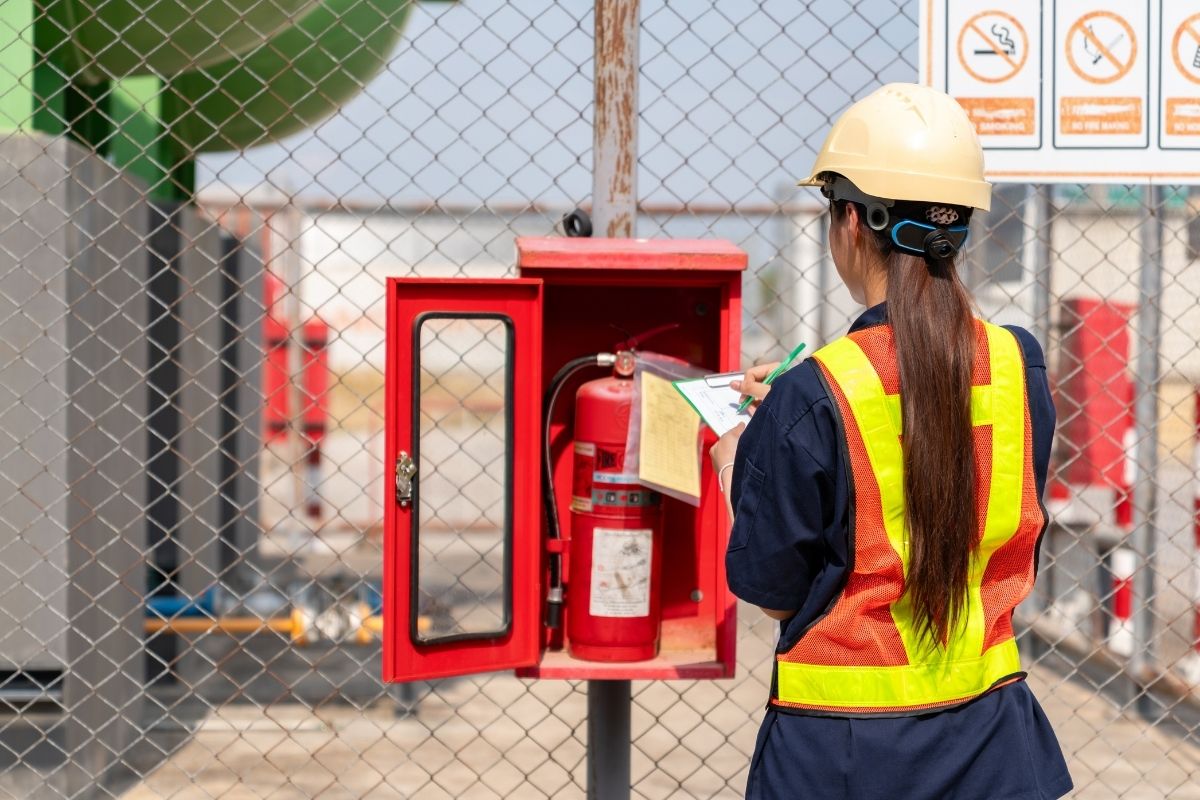
Fire pumps are critical for a fire protection system. So, not only do they require frequent inspection and testing, but it is also important that the individuals inspecting them have the proper experience and credentials.
If you have questions about your fire pumps or your fire protection system, call the experts at Van Fire in Richmond, BC, to help you at (604) 706-0306.