

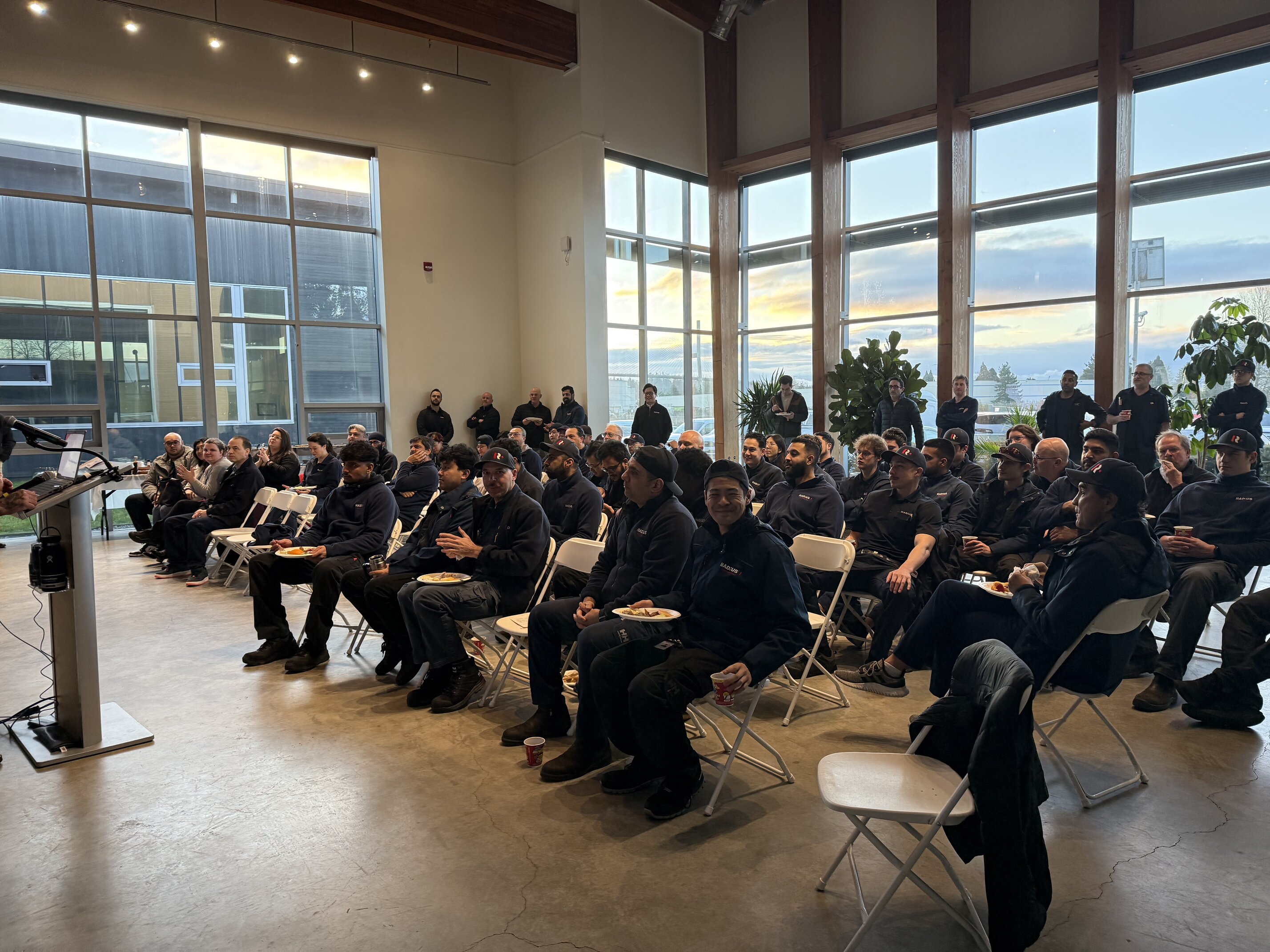
Meet the Radius Leadership Team!
At Radius Fire, we distinguish ourself by prioritizing our people and their diverse personalities over just the hardware of fire safety and suppression. Our leadership team combines decades of technical engineering and operational expertise with a culture of integrity, humor, and community-focused values. We aim to build trust with our clients by showcasing the transparent, "mythic" problem-solvers behind the life safety services they provide.
Hot off the presses!
Thank you! Your submission has been received!
Oops! Something went wrong while submitting the form.
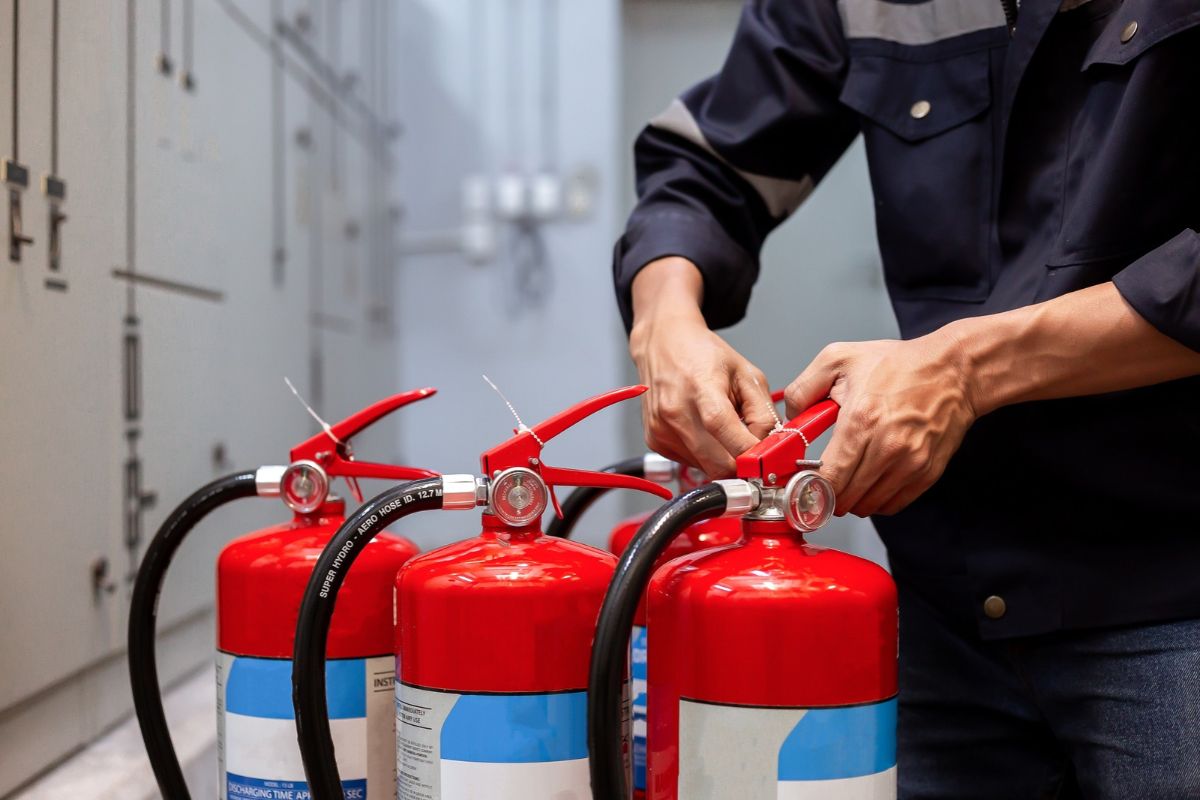
Best Practices for Fire Extinguisher Maintenance and Service
A portable fire extinguisher is the only piece of fire protection equipment in most buildings that an ordinary occupant is expected to operate, usually within the first minute of a fire, usually without having touched one before.It is also the piece of equipment most likely to have been quietly neglected. Extinguishers get moved, blocked, borrowed, knocked, slowly depressurised and painted around. Unlike a sprinkler head or an alarm panel, nothing monitors them, so a unit that will not discharge looks exactly like one that will.The maintenance requirements exist to close that gap, and they are more specific than most building owners realise.
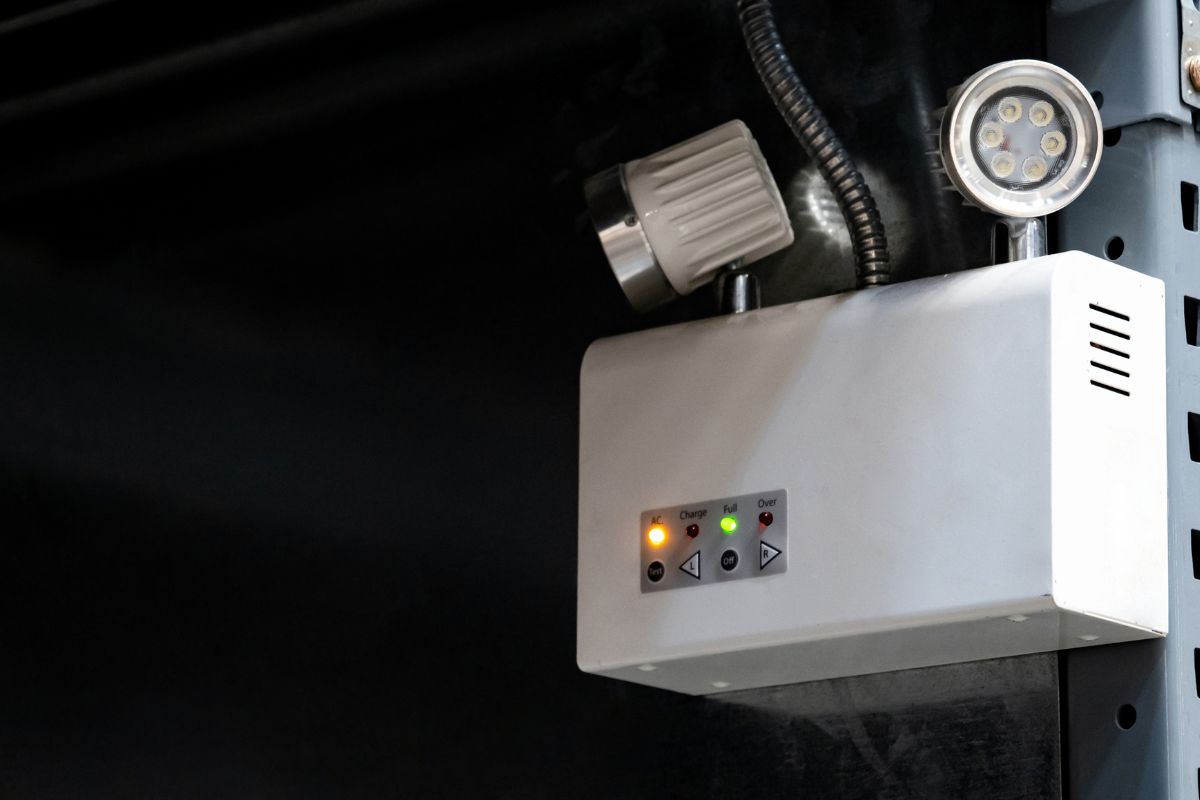
Emergency Lights Maintenance: Tips for Regular Inspection
Emergency lighting is the onlyfire protection system in your building that does nothing at all until theworst possible moment. A sprinkler head is visible. An alarm panel beeps whensomething is wrong. A set of emergency lights sits on the wall for years looking perfectly fine, and whether it works is a question nobody answers untilthe power actually fails.That is why the code treats itthe way it does, and why the testing schedule is the one most commonly skippedin Metro Vancouver buildings.
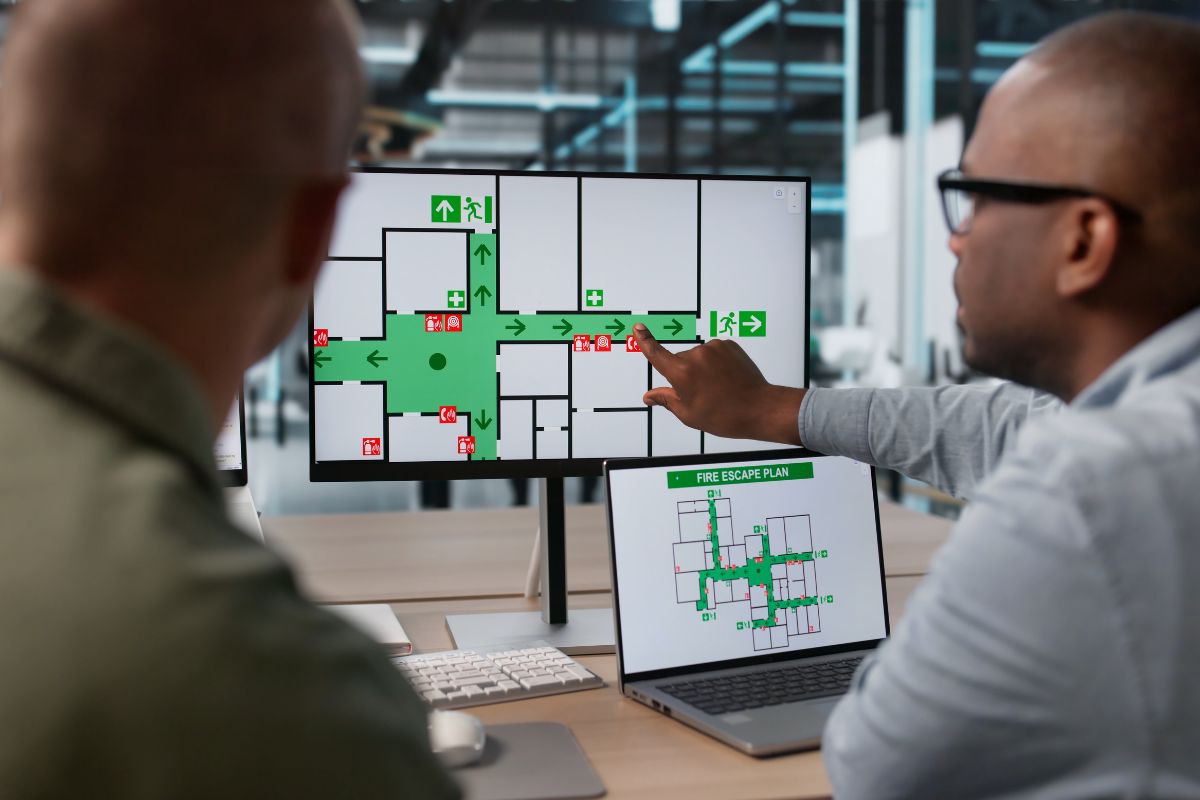
Essential Components of Fire Safety Plans: A Detailed Overview
Ask most property managers where their fire safety plan is and they will point to a red binder near the alarm panel. Ask them what is inside it, when it was last updated, or who is named as supervisory staff, and the answers get vague fast. That gap between having a plan and operating one is where buildings get into trouble.

